
Stay Safe in the Heat: Summer Workwear Tips
Working outdoors or in heat-intensive environments during the summer months poses unique challenges. High temperatures, humidity, and prolonged exposure to the sun can lead to dehydration, heat exhaustion, and other heat-related illnesses. The right workwear can help mitigate these risks by keeping workers cool, comfortable, and safe. In this guide, we’ll provide practical tips and insights into selecting summer-friendly personal protective equipment (PPE) and workwear.
cool comfort starts with the right materials
When temperatures rise, heavy fabrics can trap heat and moisture, leading to discomfort and overheating. Opt for lightweight, breathable materials such as cotton blends or moisture-wicking fabrics. These fabrics allow better air circulation and help wick sweat away from the body, keeping workers cool and dry.
For workers in industrial or high-risk environments, many PPE options are now available in summer-friendly materials that don’t compromise on safety. Flame-resistant workwear, for example, is now designed in lighter weights to protect workers from thermal hazards while reducing heat stress.
reflect heat and shield skin
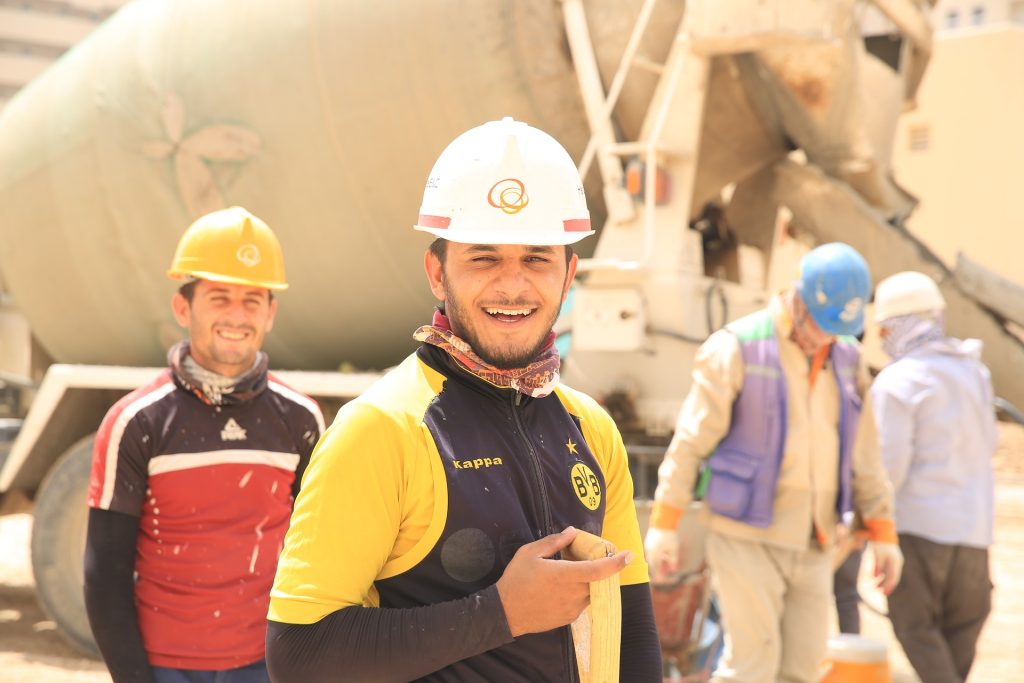
Dark-colored clothing absorbs more heat, making it less ideal for hot weather. Instead, choose light-colored workwear that reflects sunlight and reduces heat absorption. Additionally, look for garments that offer built-in UV protection to shield workers from harmful ultraviolet rays.
UV-protective fabrics are especially important for outdoor workers, as prolonged sun exposure increases the risk of skin damage and conditions like heat rash. Accessories such as wide-brimmed hats and neck shades can also provide added protection from direct sunlight.
hydration: the first line of defense
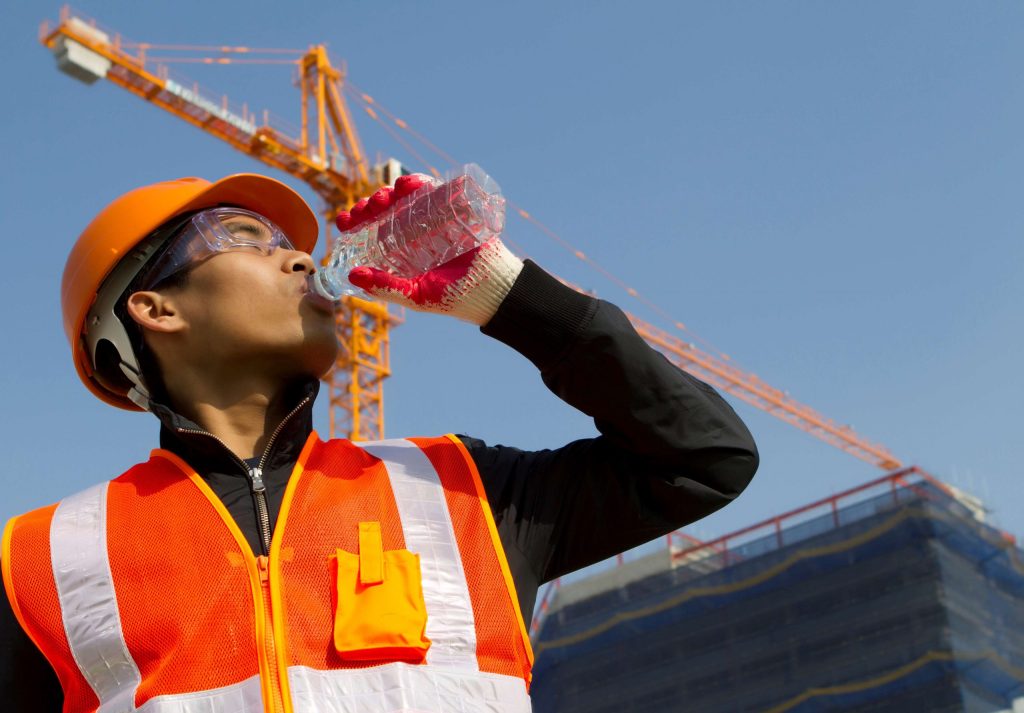
No matter how well-equipped workers are with summer workwear, staying hydrated is critical. Encourage employees to drink water frequently throughout the day, even if they don’t feel thirsty. Avoid caffeinated or sugary beverages, as they can dehydrate the body further.
Employers should provide shaded rest areas where workers can cool down during breaks. Using cooling towels or portable fans in these areas can help lower body temperature and prevent heat-related illnesses like heat exhaustion or heatstroke.
safety without sweat
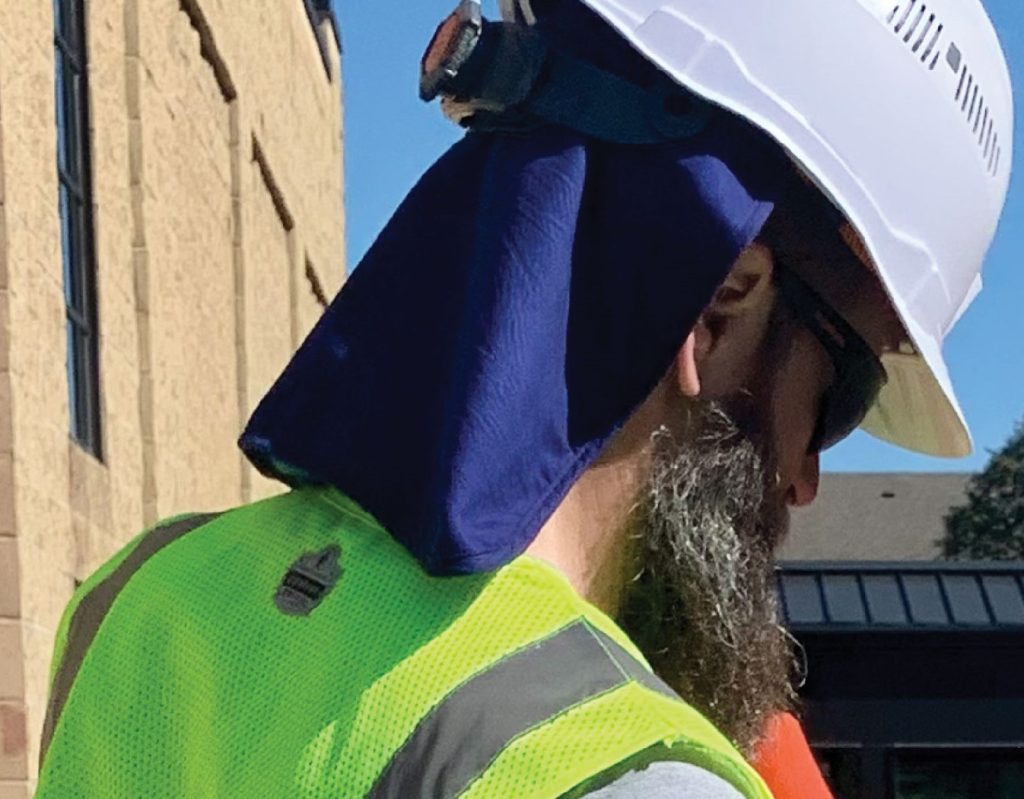
PPE like hard hats, gloves, and boots are often non-negotiable on job sites, but they can add to heat buildup in summer conditions. Look for ventilated or moisture-wicking versions of these items to improve comfort without compromising safety. For example, hard hats with built-in vents allow heat to escape, while gloves made from breathable materials help reduce sweat buildup.
Cooling accessories such as bandanas or inserts designed for hard hats can also help workers stay cool throughout the day.
timing matters in summer heat
Whenever possible, adjust work schedules to avoid peak heat hours, typically between 11 a.m. and 3 p.m. Starting shifts earlier in the morning or later in the afternoon can significantly reduce exposure to extreme heat. Rotating tasks to give employees time in shaded or cooler areas can also help prevent heat stress.
Employers should also educate workers about recognizing the early signs of heat-related illnesses, such as excessive sweating, fatigue, dizziness, or nausea, and encourage prompt reporting of symptoms.
balancing safety and summer comfort
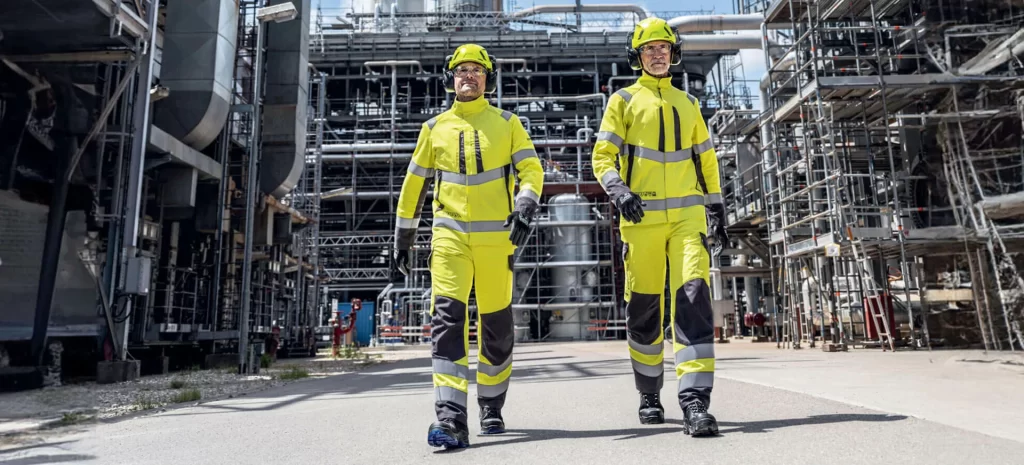
For workers in industries requiring flame-resistant (FR) clothing, the summer months can be particularly challenging. Heavy, multi-layered FR garments can trap heat, making it harder to stay cool. However, advancements in fabric technology have introduced lightweight FR options that provide the same level of protection without the added weight.
These garments often feature moisture-wicking properties and increased breathability, making them an excellent choice for hot conditions. Ensure that FR clothing meets industry safety standards to provide reliable protection against thermal hazards.
education and awareness saves lives
Finally, creating a workplace culture that prioritizes heat safety is essential. Employers should train workers to recognize the symptoms of heat-related illnesses and encourage them to look out for one another. Simple practices, such as checking in with team members and reminding each other to drink water, can make a significant difference.
Post heat safety tips in visible areas, and make sure supervisors are equipped to respond to emergencies promptly. A proactive approach to summer heat safety fosters trust and keeps everyone on the job safe and productive.
keep cool and stay safe
Summer work doesn’t have to mean discomfort or danger. With the right strategies, including lightweight workwear, proper hydration, UV protection, and ventilated PPE, workers can stay safe and productive, even in extreme heat. At Elite WorkWear, we offer a range of breathable, heat-friendly clothing and accessories designed to meet the unique challenges of summer conditions.
Equip your team with the gear they need to tackle summer heat safely. Browse our collection today to find the best solutions for your workplace.