
The Cost of Non-Compliance: Why Safety Should Be a Priority
Workplace safety is not just a regulatory requirement—it’s a moral and economic necessity. Non-compliance with occupational health and safety standards can lead to severe consequences for businesses, workers, and the industry as a whole. From financial penalties to reputational damage, the cost of ignoring safety is far greater than investing in proper protocols and equipment. This post explores the tangible and intangible repercussions of non-compliance and highlights why prioritizing safety is essential for long-term success.
protecting lives, ensuring accountability
Safety regulations are established to protect workers from preventable accidents and injuries. These standards, often developed by organizations like OSHA or local governing bodies, outline the minimum requirements for a safe working environment. They cover everything from the use of Personal Protective Equipment (PPE) to proper training and hazard identification.
Beyond compliance, adhering to safety standards demonstrates a company’s commitment to the well-being of its employees. This not only creates a positive work culture but also boosts productivity by reducing absenteeism due to workplace injuries.


fines, lawsuits and lost opportunities
Failing to comply with safety standards can result in substantial financial penalties. Regulatory bodies often impose steep fines on companies found guilty of violations. In addition to these direct costs, businesses may face lawsuits from injured employees or their families, leading to costly legal battles and settlements.
Non-compliance can also disrupt operations, as accidents or investigations often result in project delays or shutdowns. Insurance premiums may skyrocket following safety violations, further straining financial resources. Over time, these cumulative costs far exceed the investment required for proactive safety measures.
trust takes years to build, seconds to lose
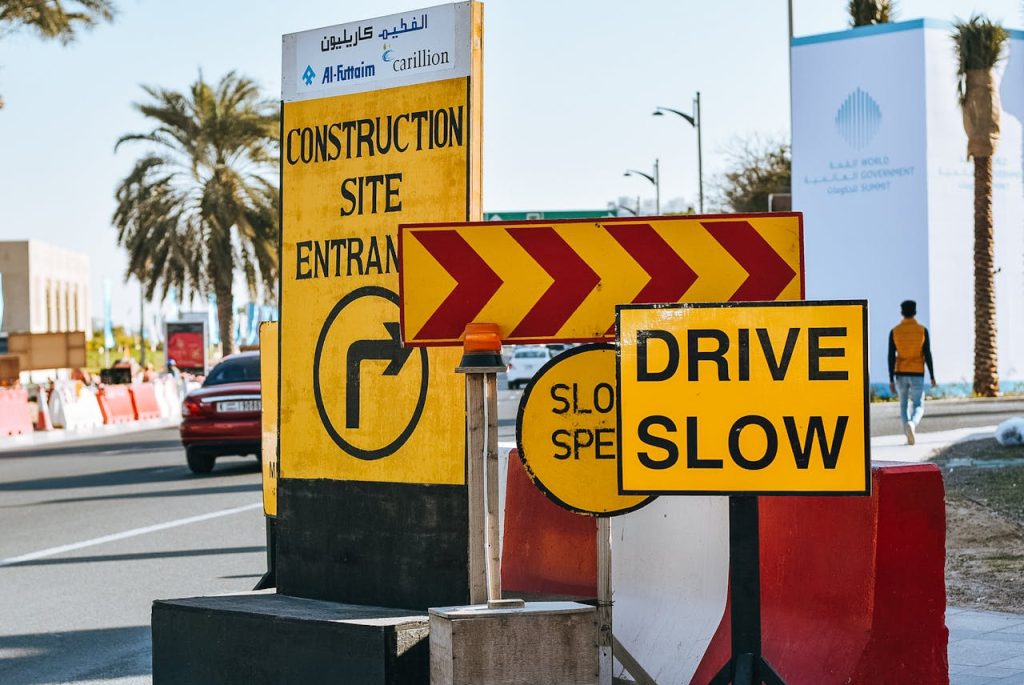
In today’s interconnected world, news of workplace accidents spreads quickly. A single incident stemming from non-compliance can tarnish a company’s reputation, making it harder to attract clients, partners, and top talent. Customers and investors are increasingly prioritizing ethical and responsible businesses, and a poor safety record can jeopardize these relationships.
Moreover, a damaged reputation can have long-term effects on a company’s brand, making recovery a slow and expensive process. On the other hand, a strong safety record can serve as a competitive advantage, showcasing the company as reliable and worker-focused.
beyond numbers: the cost of lives
Perhaps the most devastating consequence of non-compliance is the human toll. Accidents resulting from inadequate safety measures can lead to severe injuries, lifelong disabilities, or even fatalities. These incidents affect not only the workers but also their families and colleagues, leaving emotional scars that no financial compensation can erase.
Companies have a moral obligation to create safe environments where employees can perform their duties without fear of injury or harm. Investing in safety is a way of valuing human life, ensuring that every worker returns home safely at the end of the day.
proactive measures for prevention
The foundation of compliance lies in proper safety training and equipment. Workers must be educated about potential hazards and the correct use of PPE. Regular training sessions keep safety protocols fresh in employees’ minds, reducing the likelihood of accidents.
Equipping workers with high-quality PPE tailored to their tasks is equally critical. From helmets and gloves to respirators and high-visibility clothing, having the right gear ensures protection against workplace hazards. Regular inspections of safety equipment and adherence to maintenance schedules further enhance compliance.
safety as a shared responsibility
Compliance is not just the responsibility of employers; it requires the active participation of every worker. Fostering a safety-first culture encourages employees to report hazards, follow protocols, and look out for their colleagues. When workers feel that their safety is prioritized, they are more engaged and committed to maintaining a hazard-free environment.
Leadership plays a crucial role in setting the tone for workplace safety. When managers and supervisors actively demonstrate safety-conscious behaviors, it reinforces the importance of compliance at every level of the organization.

the 'return on investment' of prioritizing safety
While implementing safety measures may seem like a significant upfront expense, the long-term benefits far outweigh the costs. Reduced injuries, fewer disruptions, lower insurance premiums, and an enhanced reputation all contribute to a healthier bottom line.
Companies that prioritize safety compliance often see increased productivity, as workers perform better when they feel secure. Additionally, these companies attract and retain skilled employees who value a commitment to their well-being.
The True Cost of Non-Compliance
Non-compliance with safety standards is a gamble that no company can afford to take. The financial, reputational, and human costs are far too high. By prioritizing safety, companies not only protect their workers but also safeguard their operations and reputation.
At Elite WorkWear, we’re committed to helping businesses achieve compliance with high-quality PPE and expert guidance. Equip your team with the tools they need to stay safe and compliant.